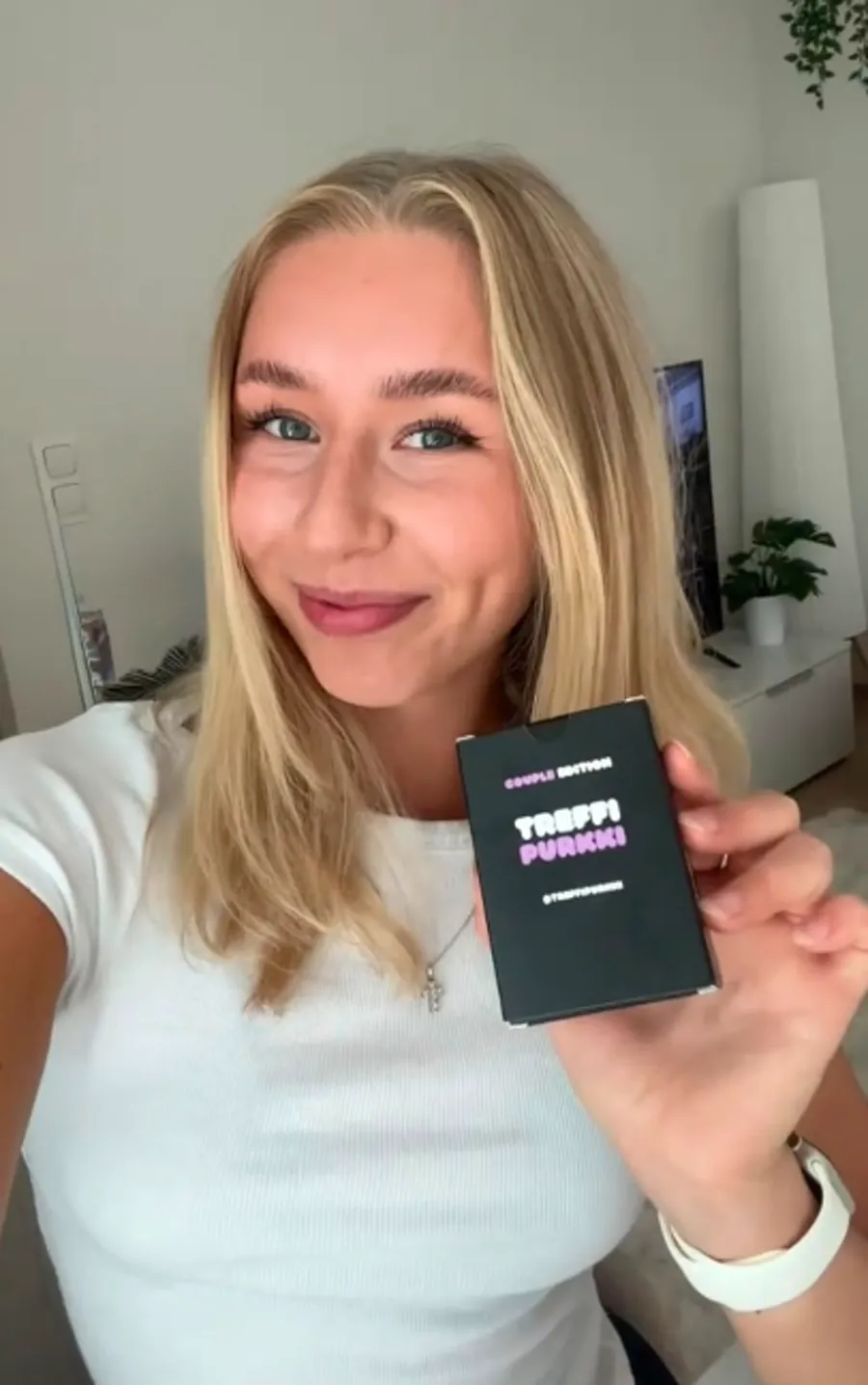
User-generated content (UGC) has become a standard part of social media marketing. Instead of a polished studio production, a creator films a natural, personal-looking video or photo that the brand then uses in its own channels or ads. For brands entering Finland, UGC is a practical way to get native Finnish-language content without building a local production team.
This guide covers how to work with UGC creators in practice: from brief to approved content.
UGC vs influencer content
The two are often confused, but the difference is simple:
- Influencer content is published by the creator on their own channels to their own audience.
- UGC is primarily made for the brand to use — on its social accounts, website, product pages or in paid ads — according to the rights agreed with the creator.
Some collaborations include both. For a full comparison, read UGC vs influencer marketing in Finland.
Creators do not need a large audience
Because UGC is distributed through your channels, the creator's own follower count matters much less. What matters is whether they can produce content that feels natural, explains the product clearly and works in the format you need. Some of the best UGC creators have small followings or publish very little themselves.
What should a good UGC brief contain?
A good UGC brief is short, specific and leaves room for the creator's own voice. Include:
- Objective — what the content is for, for example product page video or paid social testing.
- Target audience — who the content is for.
- Product and key message — what the product is and the one thing viewers should remember.
- Format — for example a 15–30 second vertical video, photos or both.
- Platform — where the content will be used, which affects length, framing and text on screen.
- Hook or creative direction — suggested openings or angles, while leaving room for the creator's ideas.
- Mandatory claims — wording that must be used exactly, and claims that must be shown or said.
- Things to avoid — claims, competitors or situations that are off-limits.
- Deadline — when drafts and final content are due.
- Usage rights — where and for how long you will use the content.
- Compensation — money, product or both.
Avoid writing a word-for-word script unless you really need one. Over-scripted UGC tends to lose the natural feel that makes it work.
Content formats
Common UGC formats include:
- Product demonstration — showing how the product is used.
- Testimonial-style video — the creator talks about their experience.
- Unboxing — first impressions when opening the package.
- Problem and solution — a familiar everyday problem and how the product helps.
- Photos — product in use, lifestyle images, details.
Decide early whether you need vertical video, square images or several sizes.
Hooks
The first seconds decide whether people keep watching. Ask creators to start with something that stops the scroll: a question, a surprising moment, a clear problem or an immediate result. You can suggest a few hook ideas in the brief and let creators choose or propose their own.
Revisions
Agree in advance how many revision rounds are included and what counts as a revision. Feedback should be specific: "show the product label for longer" is easier to act on than "make it better". On Collafly, you can request changes directly on the submitted content, and the feedback and earlier versions stay attached to the same submission.
Approvals
Approve content before you publish it anywhere. Check that it matches the brief, that there are no claims you cannot support and that any required disclosures are in place. Keep a record of what was approved and when.
Usage rights
Usage rights should always be agreed before production. Typical questions:
- Can the content be used on your own social accounts?
- On your website and product pages?
- In paid social ads?
- For how long, and in which countries?
Broader and longer rights are usually priced higher. Writing them into the brief prevents misunderstandings later.
Organic vs paid use
Content that works organically does not always work as an ad, and vice versa. Paid use often calls for a stronger hook, a clearer call to action and several cuts or lengths. If you plan to run ads, say so in the brief so the creator can film with that in mind.
Creator fit
Even when audience size does not matter, fit does. Choose creators whose style, age group and everyday life match your target customers. A creator who would genuinely use the product will produce more believable content.
Why UGC testing often needs more than one creative angle
It is rarely possible to know in advance which version of a piece of content will work best. That is why UGC is often produced in variations rather than as a single asset. Useful ways to vary content include:
- Different creators — people of different ages, styles and life situations make the same product relevant to different viewers.
- Different hooks — a question, a problem, a surprising result or a bold statement in the first seconds.
- Different openings — starting with the product, with the creator's face or with the everyday situation.
- Different formats — a short demo, a testimonial-style video, an unboxing or a set of photos.
Working with a few creators — or asking one creator for several hooks — gives you material to compare. Over time you learn which angles and formats suit your audience in Finland. If you plan variations, include them in the brief so they can be priced and filmed in one go.
A practical UGC workflow
On Collafly, a UGC campaign follows the same steps from start to finish:
- Create the brief — describe the product, the content you need, the schedule, compensation and usage rights.
- Receive creator applications — interested creators apply to the campaign.
- Select suitable creators — review their profiles and previous content and choose the ones that fit.
- Agree deliverables and usage rights — confirm formats, number of pieces and where the content may be used.
- Creator produces the content — in their own style, following the brief.
- Brand comments or requests changes — feedback is given directly on the submitted content.
- Creator resubmits where needed — the new version is added to the same submission, so earlier feedback stays visible.
- Brand approves the final content — only approved content moves forward.
- Content is used according to agreed rights — on the channels and for the period agreed in the brief.
Compensation can be money, product or both, and usage rights are agreed per campaign.
Learn more about UGC content creation in Finland, see the overview for brands, or read about influencer marketing in Finland if you also want creators to publish to their own audiences.