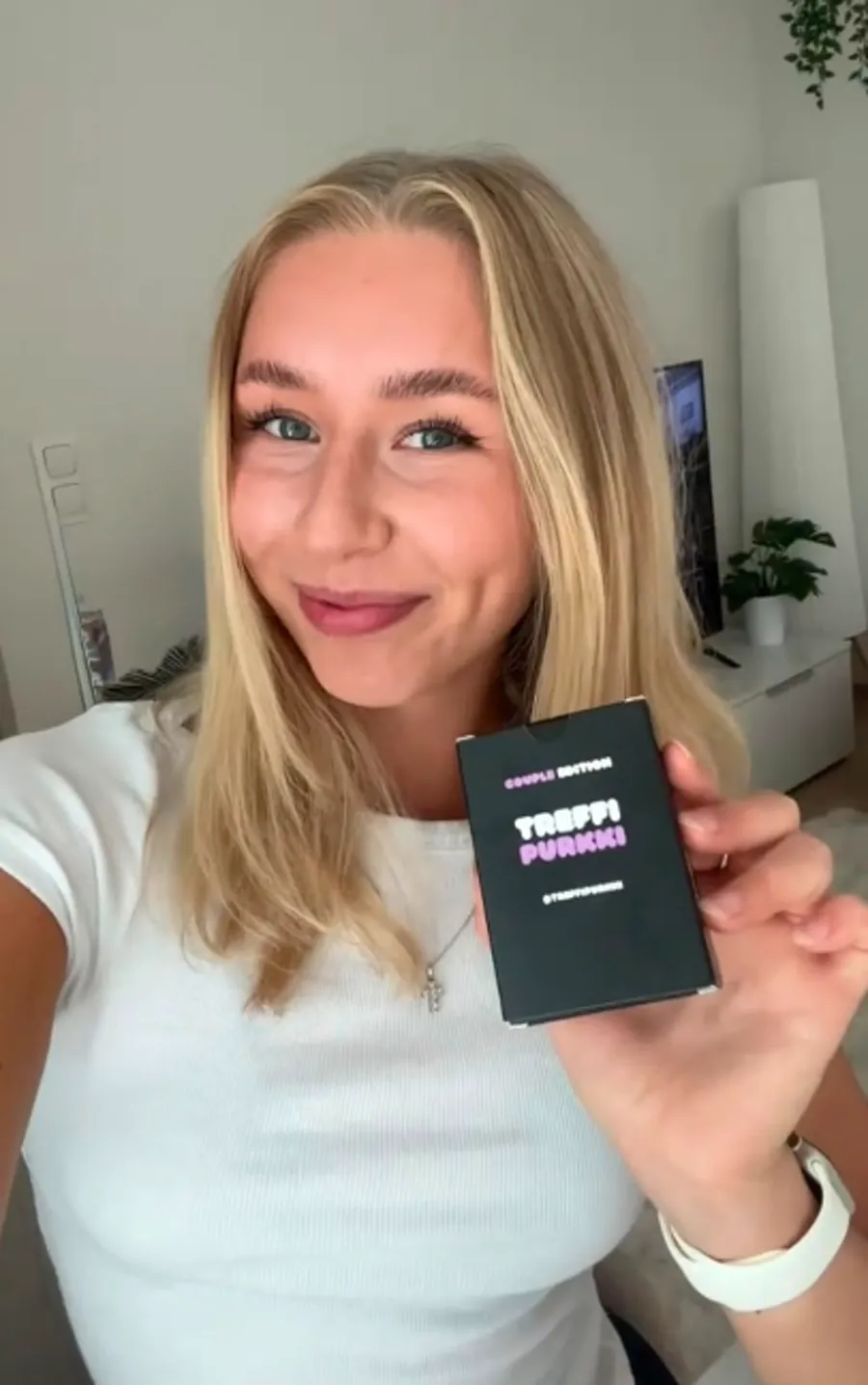
Micro-influencer marketing means working with creators who have smaller, often more focused audiences than the best-known influencers. In a market the size of Finland, these creators can be a practical way to reach specific groups of people — but they are not the right answer for every campaign.
This guide explains what micro-influencers are, when they make sense and how to run a campaign with several of them.
What is a micro-influencer?
There is no universal follower threshold that defines a micro-influencer. Different agencies and platforms use different numbers, and the figures that make sense in a large market do not translate directly to Finland. Collafly does not use a fixed limit either.
A more useful definition is qualitative: a micro-influencer is a creator with a smaller audience that is usually built around a specific topic, lifestyle or community — food, running, beauty, parenting, gaming, home renovation and so on.
Why focused audiences can matter
When a creator's followers share an interest, a relevant product reaches people who are likely to care about it. Smaller creators also often have a closer relationship with their audience: they reply to comments, share their daily life and are seen as peers rather than celebrities.
This can make recommendations feel more personal. It does not guarantee better results — it depends on the product, the creator and the campaign — but it is a reason to consider smaller creators seriously.
Authenticity and niche fit
Niche fit is where micro-influencers can be strongest. A trail runner talking about running gear, or a home baker trying a new flour, fits naturally into content their audience already expects. The closer the product is to what the creator normally talks about, the more credible the collaboration tends to be.
When choosing creators, look at what they normally publish, not only at their audience size. Our guide on how to find influencers in Finland goes through the evaluation in more detail.
How to choose micro-influencers for a Finnish campaign
Follower count alone is a poor selection criterion — especially for smaller creators, where a few thousand followers can mean very different things. Look at the whole picture:
- Target audience — do the creator's followers match the people you want to reach?
- Location — for local or regional campaigns, is the creator based where your customers are?
- Content quality — is the content clear, well framed and easy to follow across several recent posts?
- Brand fit — would your product feel natural next to what the creator normally publishes?
- Tone of voice — does the creator's way of speaking suit your brand?
- Channel — is the creator active on the platform where you want the content to appear?
- Previous content — what have they made before, including earlier brand collaborations?
- Campaign objective — does the creator's style serve what you actually want to achieve, whether that is awareness, content or local visits?
One creator or several micro-influencers?
Both approaches have real trade-offs.
One deeper partnership gives you a single, consistent voice. The creator can get to know the product well, the audience sees it repeatedly, and coordination is simple. The downside is that results depend heavily on one person and one audience.
Several creator perspectives spread visibility across different audiences, so the campaign does not depend on a single post. Each creator presents the product in their own way, which helps you see which angles work. The downside is more coordination: more briefs to answer, more content to review and more people to keep on schedule.
More creators does not automatically mean better results. The right number depends on your objective, budget and how much review capacity you have. A clear brief and one place for applications, content and approvals make working with several creators much easier.
Use cases
Local campaigns
If you open a store, run an event or serve a specific region, creators based in that area can reach people who are actually able to visit or buy.
Product launches
Several creators presenting a new product at the same time can create a sense that "everyone is talking about it" within a specific community.
Long-term creator relationships
Working with the same smaller creators across several campaigns builds familiarity. The audience sees the product repeatedly, and the creator learns how to talk about it naturally.
Product seeding
Micro-influencers are often a good fit for product-based campaigns. Read our guide to PR seeding in Finland.
Micro-influencers or larger creators?
Larger creators reach more people with a single post, which can be the right choice for broad awareness. Micro-influencers can be the better fit when you want to reach a specific group, test different messages or collect content from several creators. Many campaigns combine both.
The right creator type depends on the campaign goal — not on a general rule that one is always better than the other.
Measuring results
Decide what success looks like before the campaign starts. Depending on the goal, you might look at:
- reach and views of published content
- engagement and comments
- clicks, discount code use or sales
- the amount of usable content you receive
- what you learn about which messages work
With several creators, compare them on the same metrics, and remember that a smaller creator with a highly relevant audience may deliver more value than raw numbers suggest.
Example campaign structure
The following is an anonymised process example, not a case study with results. It shows how a typical micro-influencer campaign in Finland can be structured:
- A brand opens a creator campaign describing the product, the target group, the channels and the compensation.
- Interested creators apply and explain how they would approach the brief.
- The brand makes a shortlist based on audience fit, location and content quality.
- The brand chooses the final creators from the shortlist.
- Channels and formats are agreed with each selected creator — for example one short video and a set of Stories.
- Creators produce the agreed content in their own style.
- Content goes through the normal review process: the brand comments, requests changes where needed and approves the final version before it is published.
The same structure works whether the campaign involves three creators or fifteen; what changes is the amount of review and coordination.
Running a micro-influencer campaign on Collafly
On Collafly, you publish a campaign brief and creators apply. You review their profiles and choose the ones that fit, then manage content and approvals in one place. Compensation can be money, product or both.
See how influencer marketing in Finland works on Collafly, read about marketing in Finland with local creators, or visit the page for brands.